


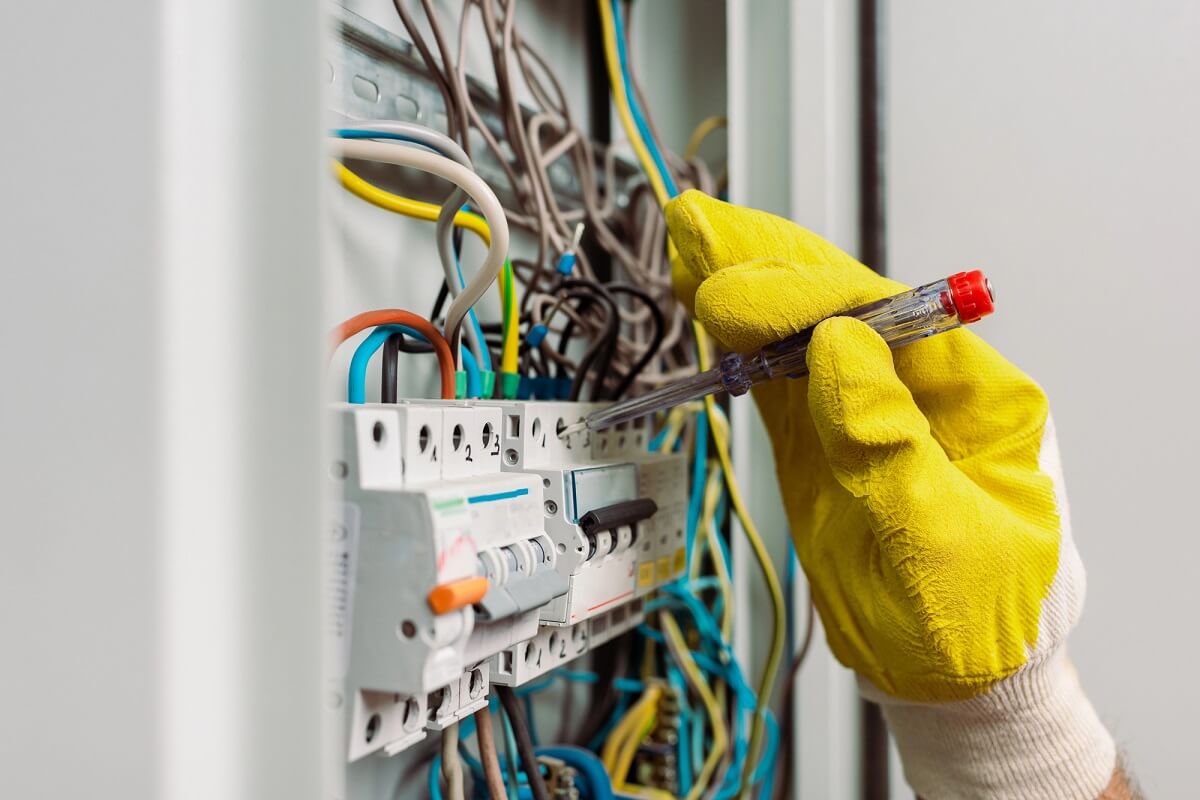
Your home’s electrical panel is more important than many realize. It distributes power throughout your entire house. As years pass, this central hub can become less efficient or struggle to meet modern electricity needs. Noticing the warning signs early can protect your home from electrical issues and fire hazards. To find expert advice and solutions tailored to your home, check out Fusionkc.com.
When an electrical panel ages, it becomes less reliable in managing today’s heavier power loads. Maximizing both safety and functionality often means recognizing symptoms that your breaker panel needs attention. Knowing when to upgrade can help ensure your electrical system is safe and meets your lifestyle’s demands.
Frequent Circuit Breaker Trips
One of the most noticeable signs that your breaker panel is struggling is if your circuit breakers trip frequently, especially during everyday activities. If running two or more kitchen appliances or plugging in a vacuum consistently shuts off power, this is a clear signal that your panel might be overwhelmed. Breakers are designed to trip as a protection mechanism, but frequent tripping may indicate an overloaded, outdated, or undersized panel.
It’s worth noting that breaker trips are also influenced by the addition of new devices and the increase in home electronics and smart technology. The demands placed on breaker panels today are much higher than in previous decades. If your home has changed, such as the installation of advanced entertainment systems, computers, or smart home assistants, your panel may need an upgrade to handle the cumulative power draw without frequent interruptions. Continually resetting breakers is not a sustainable solution and often indicates an urgent need for intervention.
Flickering or Dimming Lights
Another red flag is lights that flicker or dim unexpectedly whenever appliances are in use. Larger appliances like microwaves, space heaters, or air conditioners require more power, and if your panel can’t keep up, it distributes energy unevenly. Over time, this will become more apparent throughout your home, impacting comfort and gradually increasing the risk for wiring or panel-related issues.
The issue may worsen in homes with older wiring, where the overall infrastructure is not designed for contemporary requirements. Persistent flickering is not just an inconvenience; it can also indicate deteriorating connections or overloaded circuits, both of which could ignite electrical fires if not addressed promptly.
Warm or Buzzing Electrical Panel
Your breaker panel should never feel warm, hot, or emit a buzzing noise. Warmth or buzzing can indicate poor connections, loose wires, or that your panel is shouldering more electrical load than it was designed for. These are serious safety threats that warrant contacting a licensed electrician immediately. For more on home electrical safety practices, the National Fire Protection Association offers additional resources.
Buzzing sounds may also indicate arcing, a dangerous condition in which electricity jumps between connection points within the panel. Arcing generates significant heat and can cause melted insulation or damage to the panel, dramatically increasing the risk of fire. Regular inspection and prompt attention from a professional can address these risks before they escalate to emergencies.
Presence of an Outdated Fuse Box
If your home still uses a fuse box rather than a modern breaker panel, it’s time to consider an upgrade. Fuse boxes were the standard decades ago, but now they fall short of current safety standards and often cannot handle the power demands of high-efficiency appliances and devices in today’s homes. Replacing an outdated fuse box with a circuit breaker panel not only increases safety but also future-proofs your home from electrical issues.
Many insurance providers offer incentives, such as policy discounts, for homes with upgraded breaker panels, while some may even refuse coverage for properties with antiquated fuse systems. Making the switch can improve not only your safety but also your home’s insurability and resale value. Newer breaker panels also accommodate additional circuits, providing flexibility for future updates such as solar panels or charging stations.
Insufficient Number of Outlets
It is becoming increasingly common for homes to need more outlets for technology, entertainment, and home office setups. If you find yourself running extension cords or power strips throughout the house, this signals an overloaded circuit and an electrical system that hasn’t kept pace. Adding new outlets may not be possible without an upgrade, as your current panel could be at its limit for new circuits.
Overreliance on extension cords creates tripping hazards and poses a significant fire risk from overheated wires. Professional panel upgrades make it possible to add safely wired outlets in places you need them and maintain code compliance, especially in older properties where electrical demand has changed significantly over time.
Planning Major Home Renovations
If new construction or home renovations are on the horizon, upgrading your panel should be your priority. Projects that add significant electrical demand, such as a home addition, kitchen remodel, or electric vehicle charging station, require a panel that can safely supply higher amperage. Failing to do so can lead to overtaxed systems and even invalidate your homeowners’ insurance for code violations or safety risks. The New York Times home maintenance checklist is a useful resource for planning upgrades as part of any renovation project.
Upgrading your main panel before renovations begin avoids costly setbacks and the need to tear out finished walls for later electrical work. It also ensures new spaces and devices are reliably powered. It helps you stay in compliance with local building codes, which frequently change and demand higher safety standards with each revision.
Visible Signs of Wear or Damage
Obvious wear, such as rust, corrosion, scorch marks, or any signs of charring, inside or on your panel, should never be ignored. These are urgent signs that moisture or excessive heat has damaged the panel, posing a substantial risk of fire or electrical shock. Contact a professional as soon as you spot any of these symptoms to prevent costly or dangerous events.
Even minor discoloration around breakers or the panel door should be taken seriously. Addressing visible defects promptly can help prevent electrical faults from progressing to emergencies, and serve as an early warning for hidden problems within your system that only a qualified electrician can detect during a detailed inspection.
Conclusion
Upgrading your breaker panel is an investment in your home’s safety and efficiency. If you recognize any of these warning signs, consult a qualified electrician for a thorough inspection and professional guidance. Staying proactive will ensure your electrical system can safely power your modern lifestyle and help protect your biggest investment—your home.
Taking action when these warning signs appear can also save you from unexpected outages and costly repairs down the line. Regular maintenance checks, understanding your home’s evolving power needs, and staying informed about safety improvements provide peace of mind. Remember, an upgraded breaker panel delivers more than just convenience—it is an essential safeguard for your family and property.