


Raising healthy children is not just about occasional checkups or balanced meals. It is about the small, daily habits that quietly shape their future. From the way they eat and sleep to how they think about their bodies and emotions, every routine plays a role. Parents often focus on immediate needs, but the real goal goes beyond that. It is about helping children grow into adults who understand and value their well-being without constant reminders.
The challenge is not a lack of information. It is knowing how to turn that information into simple, consistent habits that children can carry for life. This is where thoughtful parenting makes a lasting difference.
Building Strong Oral Health Habits Early
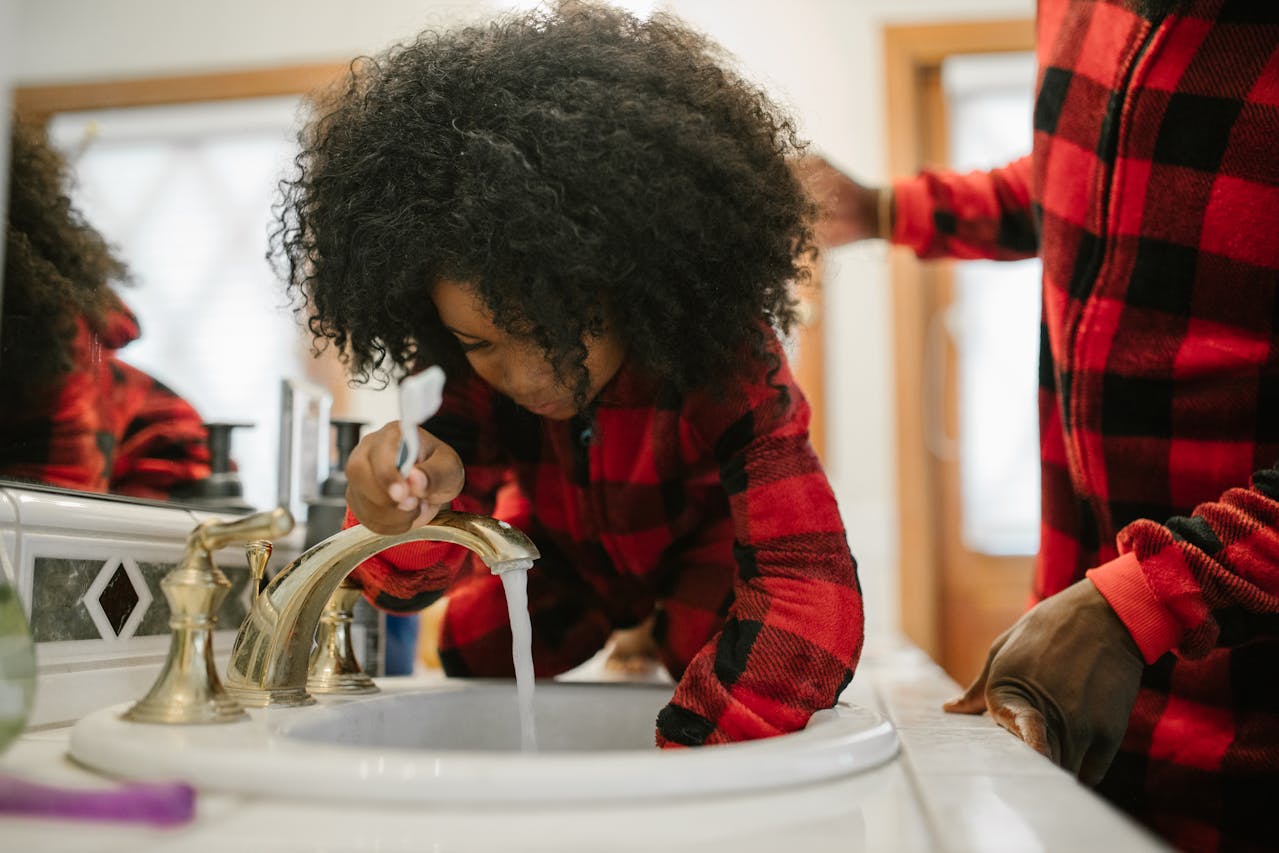
Oral health plays a key role in overall wellness. Teaching children to brush their teeth twice a day and floss regularly should begin as soon as possible. Younger children need supervision to make sure they are cleaning properly, while older ones benefit from gentle reminders and encouragement.
It helps to make oral care part of the daily routine instead of treating it like a task to finish quickly. When children see brushing as a normal part of their day, they are more likely to stick with it.
Regular dental visits are just as important. Early checkups allow dentists to monitor development and catch any concerns before they become serious. Choosing the right dental clinic can make a difference.
A dental practice like Tribeca Dental Studio 4 Kids focuses on pediatric care. Their teams are trained to work with children and understand how to ease anxiety during visits. The environment is also quite welcoming and that kind of setting builds trust, making future visits less stressful.
Encourage a Balanced Approach to Nutrition
Children learn their eating habits early, often by watching their parents. Offering a variety of foods, including fruits, vegetables, whole grains, and proteins, helps them develop a balanced diet. Instead of forcing certain foods, it is more effective to introduce options regularly and allow children to explore different tastes.
It’s best not to say that a certain food is “good” or “bad”. This can create an unhealthy relationship with eating. Instead, focus on balance. Occasional treats are fine when they are part of an overall healthy pattern. Family meals can support these habits. Sitting together, even for one meal a day, encourages mindful eating and creates an opportunity to model healthy choices.
Make Physical Activity a Daily Habit
Physical activity should feel natural, not forced. For younger children, play is the best form of exercise. Running, jumping, and outdoor games help build strength and coordination while keeping them engaged. As children grow, they can explore sports or activities they enjoy.
Limiting screen time is also important. Too much time on devices reduces opportunities for movement. Encouraging outdoor play or family activities like walks can help balance this.
Parents play a strong role here. When children see adults staying active, they are more likely to follow.
Support Healthy Sleep Patterns
Sleep affects every part of a child’s well-being, from mood to concentration. Setting a consistent bedtime and wake-up time helps regulate their internal clock. This makes it easier for them to fall asleep and wake up feeling rested.
A calm bedtime routine can improve sleep quality. Activities like reading or quiet time signal it is time to rest. Reducing screen use before bed also helps, as it can interfere with sleep.
Teach Emotional Awareness and Expression
Children go through emotional ups and downs, too. However, they don’t always understand or know how to express those emotions. Helping them recognize what they feel is an important step in building emotional health. Parents can start by naming emotions during everyday situations. Simple phrases can help children connect their feelings with words.
Open conversations matter. When children feel safe sharing their thoughts, they are more likely to express themselves instead of holding things in. Listening without judgment builds trust and encourages honesty. It also teaches children that their feelings are valid.
Parents also play a role by modeling how they handle emotions. Children observe how adults react to stress, frustration, or disappointment. Calm responses and clear communication set an example they can follow as they grow older.
Limit Screen Time with Purpose
Screens are part of daily life, but balance is necessary. Too much screen time can affect sleep, attention, and physical activity. Setting clear limits helps children understand boundaries without feeling restricted.
It is not only about the amount of time spent on screens, but also how that time is used. Choosing age-appropriate and meaningful content can make screen time more productive. Parents should stay involved and aware of what their children are watching or playing.
Encouraging other activities is just as important. Reading, creative play, and outdoor time provide alternatives that support development. When children have engaging options, they are less likely to rely on screens for entertainment.
Lead by Example
Children learn more from what they see than from what they are told. When parents practice healthy habits, those behaviors become part of the child’s normal environment. This applies to eating, exercise, sleep, and even emotional responses.
Consistency is key. If parents encourage healthy choices but do not follow them themselves, children may feel confused. On the other hand, when they see those habits in action, they are more likely to adopt them naturally.
Helping children build lifelong wellness habits is not about strict rules or constant correction. It is about creating an environment where healthy choices feel natural and achievable. When children grow up with guidance, support, and clear examples, they begin to take ownership of their well-being in their own way.
Every family will approach this journey differently, and that is part of the process. What matters is staying present and making small, thoughtful efforts each day. In the end, these habits are not just about health. They are about giving children the confidence and awareness to care for themselves long after they leave your guidance.