


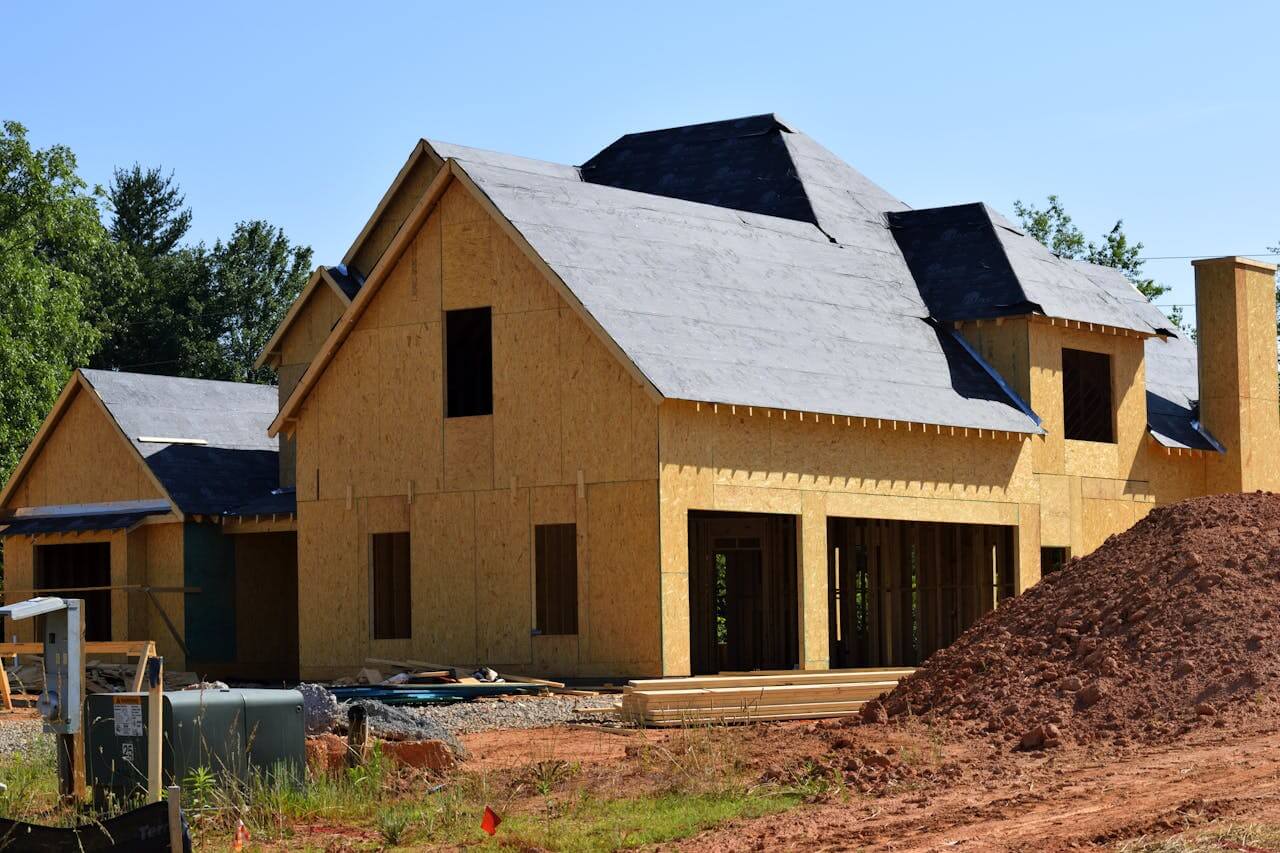
What is the one step people skip that ends up costing the most?
The plan starts simple. A garage. A workshop. An addition. Everything looks good on paper. Then the work begins – problems appear and a boundary is off. A neighbor objects. The project stops. Time and money slip away.
The excitement is real. So is the risk. Property lines matter. Easements exist. Rules apply. Ignoring them leads to bigger issues later.
Across Texas, where land is vast but regulations are specific, the consequences of skipping this step show up daily. A family builds a dream patio only to learn it crosses into a neighbor’s yard. A business expands its parking lot without realizing a utility easement runs right through the middle. These are not rare stories. They are everyday occurrences that turn excitement into regret.
In this blog, we will share why land surveying matters before beginning a construction project and how skipping it turns a dream into a very expensive lesson.
What a Survey Actually Does for a Project
A land survey is more than a piece of paper with lines on it. It is a legal document that establishes facts. Where does one property end and another begin? What rights do others have across the land? Are there restrictions that limit what can be built? These answers determine what is possible and what is not.
This is where professional expertise becomes essential. Hiring experienced commercial land surveying services in Texas ensures that the information is accurate and legally defensible. Surveyors use historical records, modern technology and on-the-ground measurements to map exactly what exists. They locate boundary markers that may have been buried for decades. They identify easements that old deeds reference but no one remembers. They provide the clarity needed to move forward with confidence. For a business owner planning a new commercial space, this step is non-negotiable. For a homeowner adding a backyard structure, it is just as critical. The cost of a survey is tiny compared to the cost of moving a building after construction begins.
Surveyors also uncover issues that affect safety and long-term value. A property in a floodplain carries different requirements. Land with unstable soil may need special foundations. Slopes and drainage patterns impact where water flows after a heavy rain. These factors influence design and budget. Learning about them early allows smart decisions instead of desperate fixes.
The Hidden Lines That Shape Every Property
Every piece of land comes with invisible lines. Property boundaries define ownership. Easements allow utility companies to access power lines or water pipes. Setback requirements determine how close a building can sit to the street or a neighbor’s home. These are not suggestions. They are legal realities that carry real consequences.
Most homeowners do not think about these lines. The yard looks obvious. The fence seems clear – but surveys often reveal surprises. A fence might be six feet onto the neighbor’s property. A shed built years ago might violate local codes. A driveway might cross an easement that gives the city the right to tear it up for sewer repairs. These discoveries feel unsettling. Yet knowing them before construction saves far greater pain later.
The irony is that people spend thousands on architectural drawings and contractor bids. They research countertops and light fixtures for weeks. But the single document that protects the entire investment often gets treated as an afterthought. A survey is not a luxury. It is the foundation everything else rests upon.
The Bigger Picture in a Rapidly Changing World
Current trends make surveying more relevant than ever. Housing shortages push new construction into areas once considered undevelopable. Remote work has people buying property farther from city centers where boundary records may be older and less clear. Climate change brings more intense storms – so understanding flood risks and drainage has become essential.
Meanwhile, neighbor relationships have changed. People spend more time at home. They notice property lines more. A fence that was fine for decades becomes a point of tension when a new owner arrives. A tree near the boundary turns into a dispute when branches fall. Having a survey does not prevent disagreements. But it provides an objective reference point that keeps emotions from spiraling.
There is also a cultural shift toward transparency – people want to know exactly what they own. They want to avoid surprises. The attitude of “let’s just build and see what happens” feels less acceptable when construction costs have skyrocketed. One mistake can derail a project for months. One legal dispute can drain savings meant for the home itself.
What Happens When the Step Gets Skipped
The stories are everywhere. A couple builds a new deck only to learn it violates the setback by two feet. The town orders it torn down. A small business expands its warehouse without checking easements. A utility company digs up the new parking lot three months later. A land buyer purchases acreage assuming the old fence marks the boundary. The actual line lies twenty feet inside, meaning a chunk of the property belongs to someone else.
These situations are not abstract legal concepts. They are real headaches with real price tags. Legal fees. Demolition costs. Delays that stretch months. Relationships with neighbors that may never fully recover. All of this stems from one skipped step.
The saddest cases involve people who did not know any better. They trusted a seller. They assumed a fence meant a boundary. They thought old records were still accurate. Land changes over time. Markers move. Fences shift. Deeds contain language written a hundred years ago that still carries weight today. A survey cuts through all the uncertainty.
The Takeaway That Saves Headaches
Starting a construction project without a survey is like cooking without checking if the oven works. The effort might still produce something. But the risk of failure is unnecessarily high. A survey provides certainty. It establishes facts before money gets spent. It protects against disputes that could have been avoided.
The smart approach is simple. Call a surveyor before calling a contractor, get the boundary confirmed, understand the easements and know the setback rules. These steps take time but save far more time later. They add cost but prevent far greater costs down the road.
Building something should feel exciting. The vision should inspire. But the foundation of any good project is knowing exactly what the land allows. A survey provides that knowledge. It turns guesswork into confidence. And it lets the real work begin with peace of mind instead of worry.