


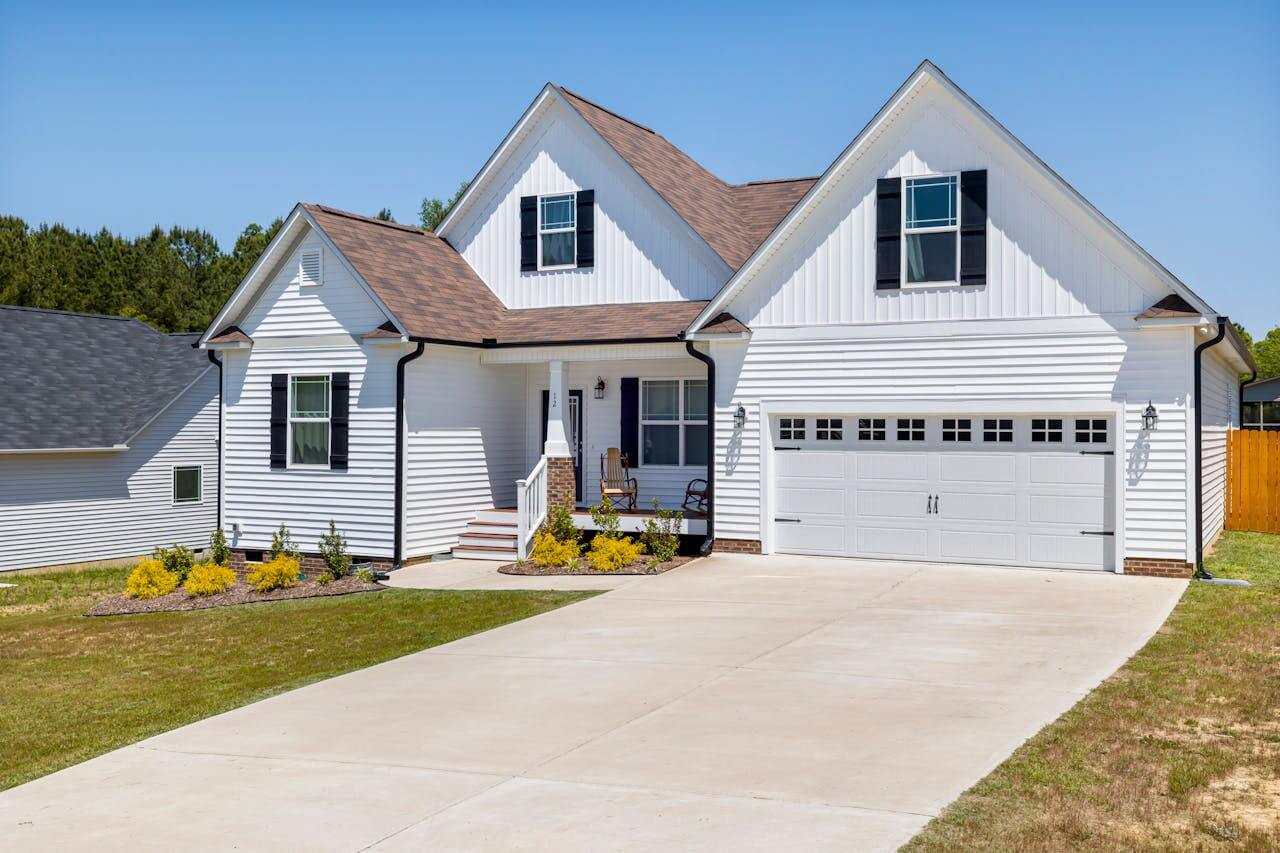
Heavy rain and sustained heat can be one of the most worrisome issues for homeowners. During these conditions, homeowners become aware of how water moves around the structure, how temperatures settle indoors, and how much attention the house demands to remain comfortable. Reliability shows itself through consistency rather than intervention. A house that behaves predictably during demanding weather builds trust simply by doing what it should.
This sense of reliability usually comes from decisions made long before the weather becomes extreme. Structural planning, material coordination, and system alignment all contribute to how a house responds when conditions intensify.
Let’s discuss this further below:
Roof System Confidence
The roof controls the first point of contact with the weather and determines how water and heat move away from the structure. A roof that manages drainage properly limits stress on walls, foundations, and interior systems. Sealing quality affects how moisture stays contained, while material behavior influences how heat is released rather than trapped.
Confidence in roof performance often comes from understanding how the system was planned and executed. Roofing involves more than surface materials, as drainage paths, sealing details, and exposure patterns work together as a system. Here, the expertise of experienced roofers proves worthwhile. Many homeowners gain reassurance knowing that a roofing company evaluated or installed the roof with attention to these factors. This level of planning supports consistent performance during prolonged rain or extended heat without requiring constant oversight.
Water-Shedding Walls
Exterior wall assemblies influence how moisture behaves once it reaches the structure. Walls designed to shed water guide moisture downward and away rather than allowing absorption. This behavior limits long-term exposure and helps maintain interior stability during heavy rain. Reliable wall systems manage moisture movement without trapping it within layers.
When walls perform as intended, interior conditions remain steady. Moisture does not migrate inward, and materials maintain their integrity through repeated exposure. This contributes to a sense of control during storms, as the house responds predictably without signs of strain.
Ground Management
Foundation grading determines how surface water behaves around the house. Proper grading directs water away from the structure rather than allowing pooling near critical areas. During heavy rain, this control becomes especially important as soil saturation increases. Water that moves away from the foundation reduces pressure and supports long-term stability.
Reliable grading continues working even when rainfall persists. Slopes maintain direction, and water does not linger near the structure. This consistency prevents moisture from seeking alternative paths into the house.
Critical Transitions
Flashing details protect the most vulnerable points of a house. Joints, edges, and roof transitions experience concentrated water flow during storms. Proper flashing guides water across these areas without interruption.
When flashing performs correctly, water follows controlled paths away from seams and intersections. This reduces the likelihood of moisture reaching interior layers. Reliable flashing contributes to overall confidence because it manages stress at points where failure often begins. Consistent performance at transitions supports the house as a whole during prolonged rain.
Interior Protection
Ceiling penetrations represent direct pathways between exterior systems and interior spaces. Openings for vents, wiring, and fixtures require careful sealing to prevent moisture migration. During heavy rain, these penetrations experience pressure from both above and below.
Sealed penetrations maintain interior dryness by blocking unintended moisture paths. When this protection holds, ceilings remain stable and unaffected by exterior conditions. Homeowners gain peace of mind knowing that hidden pathways are properly managed.
Siding Stability
Siding plays an important role in how a house responds to both rain and heat. Joints between siding panels experience repeated expansion and contraction as temperatures change. When these joints remain tight, they protect the layers beneath from moisture intrusion and reduce air movement through the wall system.
Reliable siding joints maintain their form through temperature fluctuations without separating or stressing adjacent materials. Homeowners often feel more confident in the structure when exterior surfaces behave predictably rather than requiring frequent attention.
Controlled Runoff
Downspout placement determines how effectively roof runoff moves away from the house. Water that exits too close to the foundation can create splashback, soil displacement, and excess moisture near structural elements. Proper placement directs water outward and prevents repeated contact with vulnerable areas.
Once runoff is controlled, rainwater follows a clear path away from the structure. This reduces stress on foundations and surrounding surfaces during prolonged rainfall.
Long-Term Drainage
Drainage systems are tested most during extended rain rather than short storms. Soil saturation challenges the ability of slopes and channels to maintain direction. Systems designed for long-term performance continue guiding water even when the ground holds moisture.
Reliable drainage slopes prevent water from lingering near the structure. They maintain movement during periods when runoff volume increases and soil absorption slows. This sustained performance supports interior dryness and reinforces confidence that the house can manage prolonged wet conditions.
Structural Response
Structural framing influences how a house reacts to temperature extremes. Materials expand and contract as heat rises and falls. Framing that remains stable through these changes prevents movement from transferring stress to finishes, joints, and connections.
Once framing shows no movement during heat or cooling cycles, the structure maintains alignment across systems. Walls remain straight, openings stay square, and materials work together rather than against each other.
Heat Reduction
Permanent shade affects how much heat reaches the structure during extended warm periods. Shade reduces direct exposure on roofs, walls, and openings, which limits heat absorption across exterior surfaces. This reduction supports steadier interior temperatures.
When shade is built into the environment, the house experiences less thermal strain. Cooling systems operate under more consistent conditions, and interior spaces remain comfortable without sudden temperature changes. Homeowners often sense this reliability during prolonged heat when the house responds evenly rather than reacting sharply.
Window Integrity
Window frames experience constant stress from temperature changes. Expansion and contraction can affect alignment, sealing, and overall performance. Frames that remain square support consistent sealing and help manage both water and heat exposure.
Stable window frames maintain tight connections with surrounding materials. This supports interior comfort during heavy rain and sustained heat.
Secondary Protection
Roof underlayment adds a layer of protection beneath surface materials. During heavy rain, this layer manages moisture that bypasses the outer covering. It supports water control without relying solely on visible components.
This secondary protection increases reliability during demanding weather. Underlayment continues functioning even when surface materials experience stress. Homeowners benefit from knowing that the roof system includes redundancy designed to manage conditions beyond normal exposure.
A house feels reliable when its systems respond consistently during heavy rain and sustained heat. Roofing, walls, drainage, structure, and protective layers all contribute to this performance through coordination rather than isolated strength.