


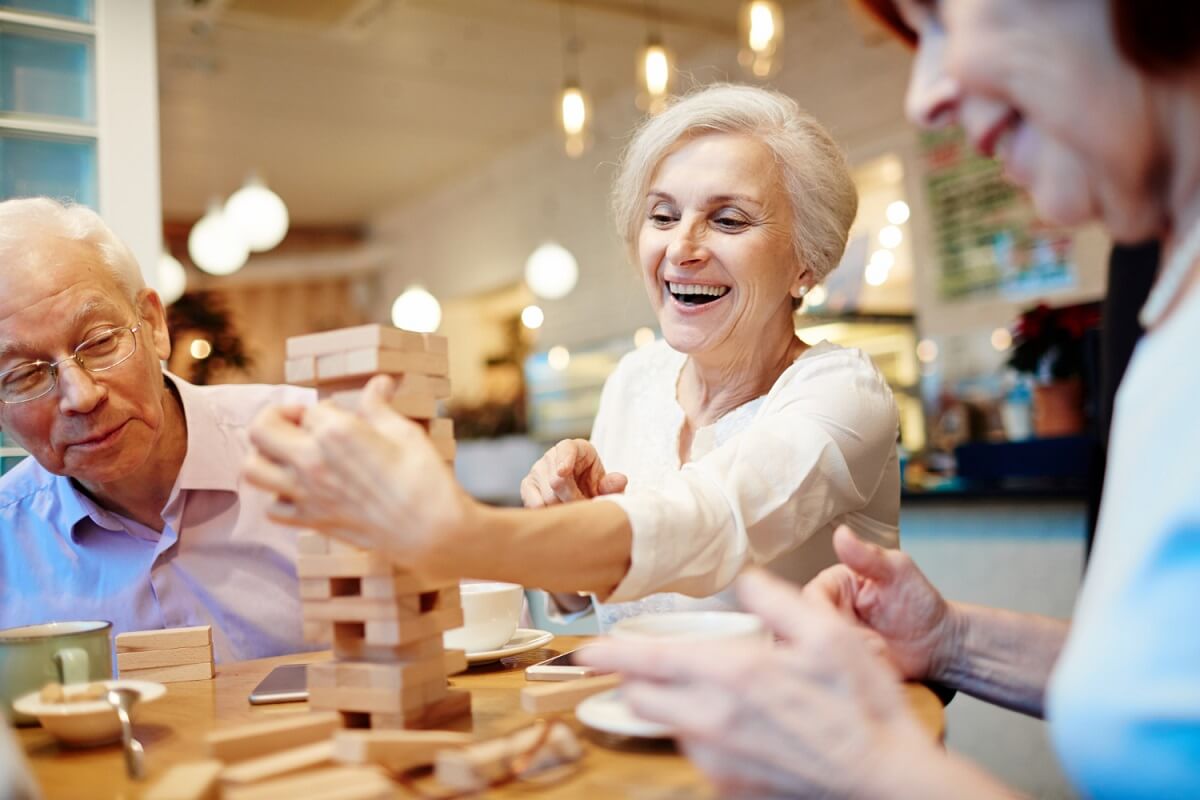
As we grow older, building and maintaining a community becomes vital for our overall well-being. Meaningful connections and social interactions help combat loneliness, protect cognitive function, reduce stress, and promote healthy aging.
Cultivating a vibrant social circle requires intentional effort, but it offers immense rewards, including a stronger sense of belonging and enhanced emotional support.
If you’re in your 50s or 60s and want to build a community where you can make connections, engage in social and physical activities, and enjoy a fulfilling life, but don’t know how, fret not.
In this blog post, we’ll shed light on the five vital tips designed specifically to help seniors (including you, too) build a community as they grow older. Let’s continue to read on…
1. Dive Into Shared-Interest Hobbies
Everyone’s likes and dislikes are different, irrespective of age. No matter what you love most—be it painting, book clubs, or gardening—joining or starting a local group centered on your favorite activities makes it easy to connect.
When you share a common pursuit, striking up conversations and forging meaningful friendships become a natural part of the process.
2. Embrace Supportive Community Living
Another top way is to transition to a specialized senior living environment, which can open doors to vibrant daily events, planned outings, and continuous group interactions.
Let’s understand it this way: dedicated communities like The Peaks at Old Laramie Trail take the stress out of planning.
But how? The answer is by offering flexible schedules, memory care, and vibrant life programs that put socialization right outside your door.
3. Commit to a Regular Volunteering Routine
Still concerned about how to integrate yourself into a wide network? Giving back is worth considering – a sure way to find fulfillment.
If you volunteer your time at a local charity, community center, or animal shelter, you will meet like-minded individuals and establish a profound sense of purpose.
4. Establish Reliable Social Rituals
There’s no doubt, spontaneous meetups or get-togethers are great. However, consistent routines build deeper communities.
Keeping this in mind, consider setting up recurring events, such as a weekly coffee, a monthly potluck, or Sunday family dinners.
Whatever you decide on and make happen, you’ll be sure knowing you have reliable, ongoing touchpoints that anchor your social calendar.
5. Bridge the Gap with Technology
In case physical mobility is ever a challenge, leverage technology to stay involved. On social media platforms, join groups where you can not only learn new things but also connect with like-minded people.
Further, it’s a good idea to take part in virtual hobby classes. Use video chatting apps regularly to catch up with friends and family. Doing all that will ensure you never feel truly detached from your community.
Conclusion
Building community as we age is essential for mental and emotional well-being. By volunteering for causes you care about, engaging in shared-interest hobbies, prioritizing social routines, embracing community living, and staying digitally connected, you can create a fulfilling, active, and supportive network that combats isolation.