


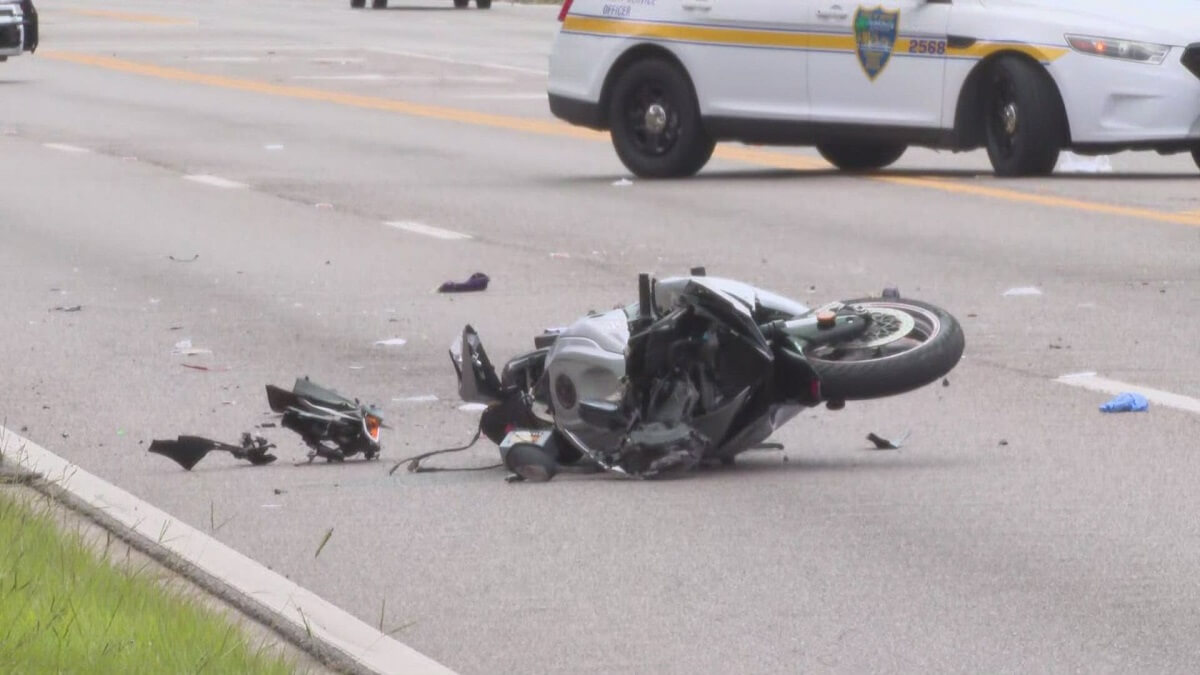
The days after a serious motorcycle crash are not a time when anyone is thinking clearly about legal strategy. The pain is real, the shock is still present, and the immediate demands of medical care and logistics consume everything. It is exactly during that period that the at-fault driver’s insurer makes its first moves.
The adjuster calls quickly. They ask how you are feeling. They request a recorded statement. They frame the call as routine, helpful, and necessary. What they are actually doing is gathering the information they need to manage the claim in the insurer’s favor before the injured rider understands what the claim is actually worth. A San Jose motorcycle accident attorney at Alexander Law gets involved before those conversations happen, so the insurer is not the only one making moves in those first critical days.
Why Motorcycle Claims Get Treated Differently
Insurance adjusters approach motorcycle accident files with a built-in set of assumptions. The rider was probably speeding. The rider should have seen it coming. The rider made a choice to be on a motorcycle and accepted some level of risk. None of these assumptions is necessarily true, but they shape the opening fault arguments that appear in the claim file and influence every offer that follows.
California’s pure comparative fault standard is the legal protection that makes these claims viable regardless of those arguments. An injured rider recovers no matter what percentage of fault is attributed to them, with damages reduced proportionally. But every percentage point attributed to the rider reduces the recovery in real dollar terms, which is why the objective evidence that counters those fault arguments matters so much.
The Left-Turn Crash and What the Vehicle’s Own Data Shows
The most common configuration in fatal San Jose motorcycle crashes is the left-turn failure. A driver turning left across oncoming traffic does not see the approaching rider or misjudges the closing speed. The crash happens in seconds, and immediately afterward the driver’s account becomes the version that gets recorded first.
The at-fault vehicle’s event data recorder holds a different account. It shows whether any braking occurred before the turn was initiated. A vehicle that turned with no pre-impact braking was not responding to a motorcycle it perceived as a hazard. It turned without adequate awareness of the oncoming rider. That data does not wait for the rider to feel well enough to think about evidence. It exists briefly and then disappears when the vehicle is repaired.
What Serious Motorcycle Injuries Require From a Damages Case
Traumatic brain injuries, spinal fractures, and multiple orthopedic injuries are not injuries whose full cost is visible in the first month of treatment. Future surgeries, long-term rehabilitation, and the lost earning capacity of a San Jose professional whose career has been permanently disrupted are components of a damages case that require expert analysis to establish credibly. Without that analysis, the number in a settlement offer reflects whatever the insurer calculated, not what the injury will actually cost.
What Helps in the Days After a San Jose Motorcycle Crash
Some steps protect the claim during the period when the injured rider is least positioned to think about it:
- Decline any recorded statement to the opposing insurer until legal representation is in place
- Preserve the helmet and riding gear, which carry evidence of impact direction and severity
- Seek legal counsel within 48 hours so the evidence preservation hold can be served before the at-fault vehicle is repaired
- Begin medical treatment immediately and maintain it consistently throughout the recovery period
The California Office of Traffic Safety’s motorcycle safety data documents the crash patterns and contributing factors for motorcycle accidents across Santa Clara County, providing the regional statistical context that supports expert testimony in serious South Bay motorcycle cases.