


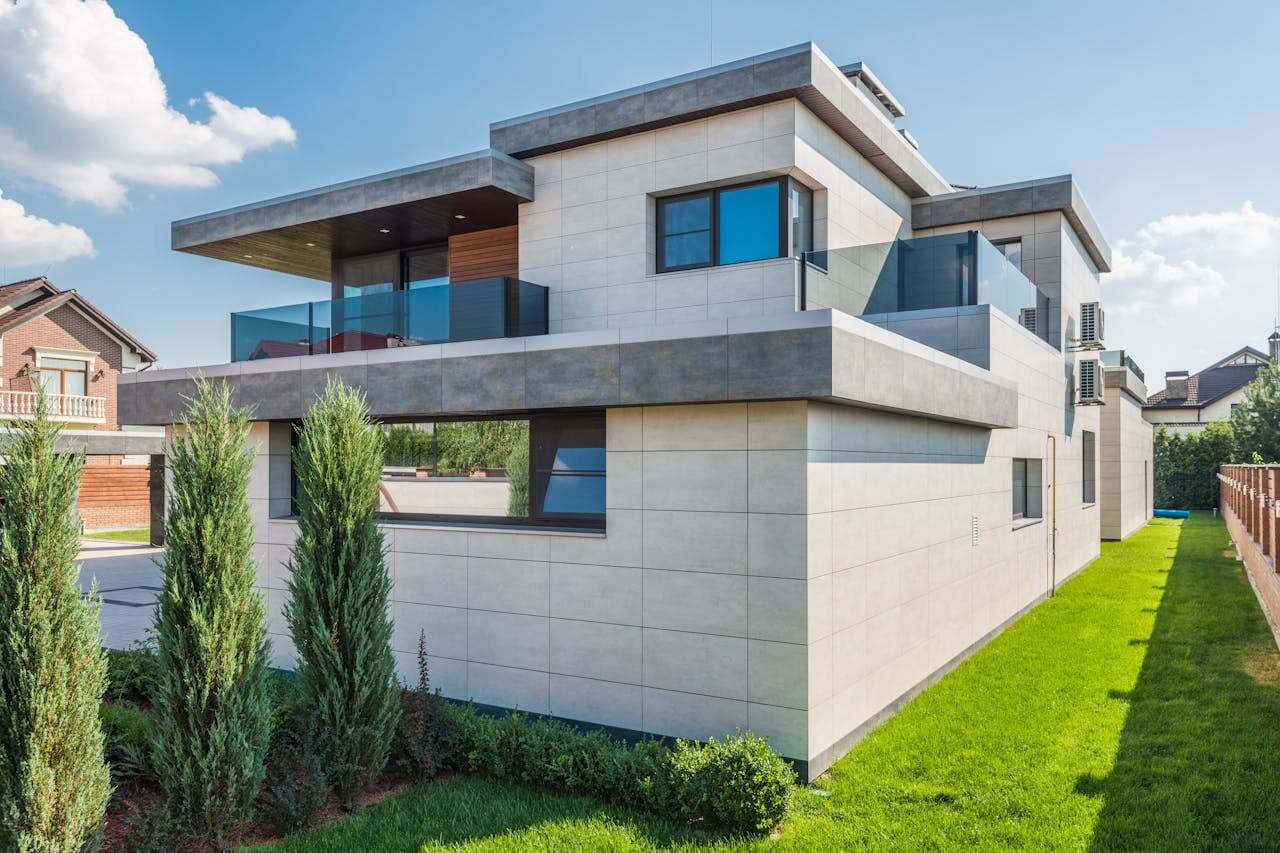
Some homes look confusing from the outside, even if every single upgrade on its own looks great: new windows, updated materials, and a fresh paint job. Nothing is technically wrong, yet something feels off. The issue usually comes from mixing too many styles without thinking about how they work together. Instead of a clear look, the exterior starts pulling in different directions, and your eye doesn’t know where to land.
Living in Hacienda Heights, CA, this stands out quickly. You’ll notice homes that feel clean and put together, even if they aren’t overly detailed. Then you’ll see others where modern features sit next to traditional ones, with no clear connection between them. A sleek window next to heavy decorative trim, or a bold color choice sitting against a more classic structure, can make the whole place feel unsettled.
How Conflicting Window Designs Disrupt the Flow
If windows don’t match, the whole house starts to feel uneven. You might have one section with large, modern glass panels and another with smaller, divided panes that lean traditional. Each one looks fine on its own, but together they break the flow across the front of the house.
Given this, working with a window company in Hacienda Heights becomes important in a practical way. Local professionals understand how homes in the area are structured and what actually works together. They can point out things that aren’t obvious at first, like how keeping window proportions consistent across the front can make everything feel aligned.
How Mismatched Rooflines and Details Compete for Attention
Rooflines are one of the first things your eye picks up. When they don’t match the rest of the exterior, they start competing with everything around them. A sharp, angled roof paired with softer, traditional details can create a disconnect that’s hard to ignore.
Picture a home where one section has a steep, dramatic roof, while another part looks flat and minimal. Now add decorative features that don’t match either style. Instead of creating interest, the design feels scattered. Your eye keeps jumping from one part to another without settling anywhere, which makes the home feel less cohesive overall.
Why Overusing Different Materials Breaks Visual Continuity
Using a mix of materials can add depth, but there’s a point where it starts working against the design. Brick, stone, siding, and stucco each bring their own look. When too many show up at once, the house starts to feel divided into separate sections instead of one complete structure.
Think of a front exterior where the lower half is covered in stone, the upper half switches to siding, and another section introduces a different finish altogether. Each material stands out on its own, but together they don’t connect. Repeating one or two materials across the exterior usually creates a smoother, more put-together look.
Why Combining Too Many Architectural Eras Feels Disjointed
Every style carries its own identity. Traditional homes tend to have more detail, while modern ones lean toward simplicity. Mixing those without a clear plan can make the home feel like it’s stuck between ideas.
For example, a home might keep classic window trim and decorative elements but add very modern railings or sleek exterior features. Instead of creating contrast in a good way, it can feel like two different styles were placed next to each other without a connection. A clearer direction, whether leaning traditional, modern, or somewhere in between, usually makes the whole exterior feel more settled.
How Mixing Decorative Features from Different Styles Confuses the Eye
Decorative details can easily tip the balance of an exterior. A single style of trim, railing, or column can add character, but once multiple styles show up together, things start to feel crowded. The eye moves from one detail to another without finding any clear connection between them.
For example, adding ornate columns at the entry while using sleek, modern railings on a balcony can create a strange contrast. Each feature has its own identity, but together they don’t support each other. Instead of adding personality, the mix creates confusion.
How Clashing Trim Styles Affect Windows and Doors
Trim frames some of the most noticeable parts of a home, especially windows and doors. When trim styles don’t match, those features start to feel out of place. One window might have thick, decorative trim, while another has a simple, flat edge. This inconsistency draws attention for the wrong reason.
A front door surrounded by bold trim next to windows with minimal framing can feel disconnected. Instead of working together, each element feels separate. Keeping trim styles consistent across openings helps tie everything together and makes the exterior easier to read.
Why Over-layering Textures Feels Overcomplicated
Texture adds depth, but too much of it can make the exterior feel busy. Stone, wood, metal, and siding all bring different visual weight. Once too many textures appear at once, they start competing instead of complementing each other.
Imagine a home where stone walls meet wood panels, followed by metal accents, and then textured siding. Each one demands attention, which makes the overall design feel heavy. A simpler mix allows each texture to stand out without overwhelming the rest of the exterior.
How Inconsistent Proportions Affect Balance
Proportion quietly shapes how balanced a home feels. Mixing styles that follow different proportions can throw that balance off. Large, bold elements paired with smaller, delicate details can make the design feel uneven.
For example, oversized modern windows placed next to smaller traditional ones can create a mismatch that’s hard to ignore. One part of the house feels dominant, while another feels secondary. Keeping proportions aligned helps everything feel more stable and visually comfortable.
How Uncoordinated Entryways Disrupt the Look
The entryway usually acts as the focal point of the home. When it doesn’t match the rest of the exterior, it feels disconnected from everything around it. A modern door placed within a very traditional setting can stand out in a way that feels off rather than intentional.
Think of an entry with sleek lines and minimal detail, surrounded by heavy trim and classic features. Instead of creating contrast, it feels like two separate ideas placed together. A coordinated entryway helps anchor the design and gives the exterior a clear starting point.
Why Simplicity Creates a Stronger Look
A clear and simple direction often makes a home feel more complete. When too many styles are mixed, the design loses focus. Keeping things consistent allows each element to support the others instead of competing for attention.
A home doesn’t need a wide range of styles to stand out. Repeating certain elements, sticking to a limited palette, and keeping details aligned can create a much stronger impression. Simplicity gives the design room to breathe, which makes the overall look feel more intentional and put together.
Mixing styles without a clear plan can turn a well-intended exterior into something that feels scattered. Each element may look good on its own, yet together they can create confusion instead of balance. A more focused approach helps everything connect, making the home feel complete, easy to read, and visually calm.