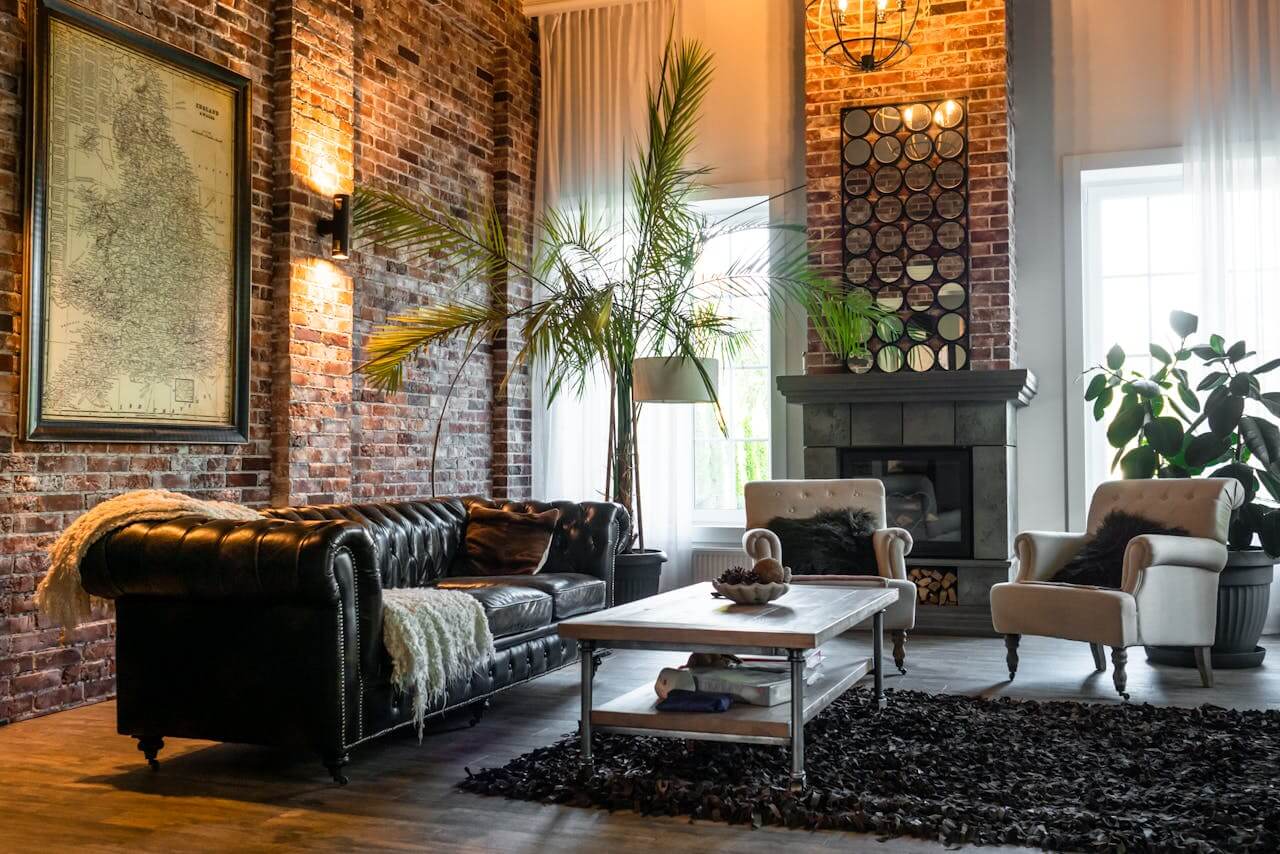
You feel it after a long day when your own place does not quite sit right, though nothing obvious is wrong. The light hits too hard at night, or you brush past the same awkward corner again. Small things, but they stack up until the space feels like something you manage instead of live in.
Most homes drift into this. They get adjusted bit by bit, a shelf here, a chair moved there, without a clear plan. Over time, the flow slips. Intentional design is less about style and more about bringing that quiet order back so the space works without effort.
What Intentional Actually Means in a Home
Intentional design is not really about how a home looks at first glance. It is more about whether the space makes sense when you move through it. You notice it in small ways, like a hallway that feels easy to pass through or a window that brings light in at the right time. Storage, door swings, even corners all play a part. There is some restraint involved too. Not every idea needs to be used. When rooms have a clear purpose, the home feels easier to live in and does not quietly work against you.
Learning from Structured Design Approaches
One way to better understand home design is to look at spaces that are built with a clear purpose from the start. These environments tend to handle details with more care. There is usually less guesswork involved, which is why these spaces tend to feel more settled over time.
When this kind of thinking is applied to homes, even in a subtle way, the difference shows. The house starts to behave like a connected system instead of a set of unrelated rooms. This becomes especially clear in homes where certain elements need more attention, like those built around personal art collections. In those cases, an art collection home design guide that breaks down how structure, lighting, and environmental control are planned together can be useful.
Designing with Purpose, Not Just Appearance
A common issue in many homes is that visual appeal is given priority over function. It is easy to be drawn to open layouts or statement features, but these choices do not always support daily routines. A kitchen might look clean and modern, but require extra steps for basic tasks. A living area might feel spacious but lack enough defined zones to feel comfortable.
Good design often starts with simple questions that take time to answer properly. Where do people naturally pause during the day? What paths do they take without thinking? These patterns matter more than any single feature. When they are ignored, the space begins to feel slightly inconvenient, even if it looks well put together.
How Small Decisions Shape the Whole Space
No single element makes a home feel intentional. It is the combination of many small choices that support each other. Lighting, for instance, is often treated as a finishing touch, but it plays a major role in how a space is experienced. Poor lighting can flatten textures, distort colors, and make rooms feel uncomfortable at certain times of day.
Consistency also matters more than people expect. When materials and finishes are chosen without a clear connection, the home can feel unsettled. A more limited palette tends to work better, even if it feels less expressive at first. Over time, it creates a sense of calm that is hard to achieve otherwise.
Letting The Layout Do the Work
A strong layout reduces the need for constant adjustments later. When the flow of a home makes sense, people stop noticing it altogether. You move through spaces without hesitation, and furniture seems to fall into place naturally.
Problems usually start when rooms are shaped by leftover space instead of intention. A corner becomes storage because there is nowhere else for it, or a room ends up serving too many purposes without being designed for any of them properly. These small compromises do not seem like much at first, but they tend to build into larger frustrations over time.
Materials That Make Sense Over Time
Materials play a quiet but important role in how a home ages. Some finishes look good initially but require constant upkeep, especially in areas that see daily use. Others wear in a way that adds character, which often makes them more practical in the long run.
Balance is important here. Not every surface needs to be highly durable, but high-traffic areas should be able to handle repeated use without showing damage too quickly. At the same time, using too many different materials can make a space feel disjointed. A more restrained approach usually leads to better results, even if it feels less varied.
Storage That Fits into the Design
Storage is often treated as something to solve later, which is why it becomes a problem. When it is not planned from the start, it spills into visible areas and disrupts the overall feel of the home. What looks like clutter is often just a lack of proper storage.
Built-in solutions tend to work better because they are integrated into the structure. They do not compete with the rest of the design and are usually more efficient. Still, they need to be placed where they are actually needed, not just where there is available space. It also helps to think ahead. Storage needs change over time, and leaving some flexibility prevents the home from feeling too fixed.
The Value of Restraint
One of the harder parts of designing a home is knowing when to stop adding things. It is easy to keep improving, adjusting, and layering new ideas. But too many elements can make the space feel busy and harder to maintain.
Restraint allows the important parts of the design to stand out. It also makes the home easier to live in day to day. When there are fewer competing features, the space feels calmer, and changes over time are easier to manage.
Eventually, the goal is for the design to fade into the background. And while no home is perfectly resolved, the ones that feel intentional tend to require less correction later. They are easier to live in, easier to maintain, and less likely to feel outdated. That quiet consistency is often what people respond to first, even if they cannot explain it clearly.