Most people wait for a break to relax. A trip, a few days off, somewhere different. That’s the plan. But then you come back, and everything feels the same again. Same setup, same routine, same little things that don’t quite work.
If you live in Indianapolis, you’ve already got the outdoors covered. Parks, trails, places to go. But what about the days you stay in? Snow piling up outside, or that heavy summer air that makes stepping out feel like effort. Those are the days your home needs to carry more weight.
And it can. If it’s set up right.
All you need to do is make some changes that make staying home feel like a choice, not a fallback.
This is where we’re headed—simple upgrades that turn everyday living into something that actually feels good to come back to.
Designing a Spa-Like Bathroom at Home
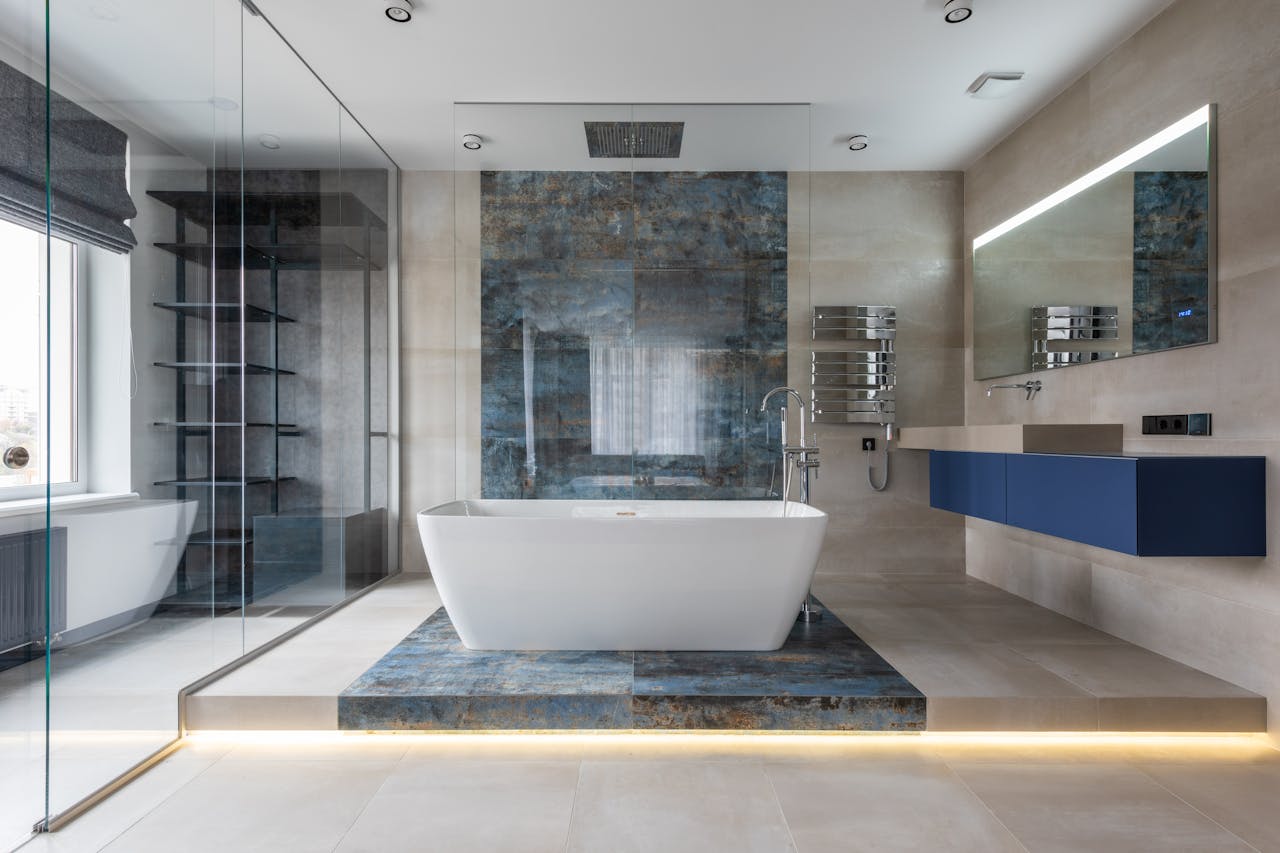
A bathroom can do more than just get you through your routine. With the right setup, it can help you slow down.
If you enjoy a hot soak during cold Indianapolis winters, investing in a proper bathtub makes a real difference. It gives you a way to unwind without leaving your home. On the other hand, humid summer days call for something refreshing. A well-designed shower with good pressure and temperature control can do that.
If you’ve got the space, having both options works best. You choose based on what you need that day. Ventilation keeps the air fresh and the space comfortable.
And if you’re planning a bigger change, working with a top bathroom remodeler in Indianapolis can help you get the layout and details right from the start. It saves you from fixing things later.
Creating a Comfortable Lounge That You Actually Use
You know that space in your home that’s meant for relaxing but somehow doesn’t get used much? That’s usually a setup problem, not a space problem.
Most lounges look fine but don’t feel right for longer use. The seating might be too stiff, the layout a bit off, or the lighting too harsh. Start by fixing comfort first. A couch you can actually sink into, not just sit on. Chairs that face where you naturally look, not just where they fit.
Then look at the lighting. One bright overhead light rarely works for relaxing. Add softer sources—lamps, warmer bulbs, something that doesn’t feel too sharp in the evening. Once the space feels comfortable, you’ll start using it without thinking about it. That’s when it becomes part of your daily routine.
Upgrading Your Bedroom for Better Rest
You can’t really talk about comfort without talking about sleep. If your bedroom doesn’t help you rest, it affects everything else.
Start by looking at what’s in the room. Too much furniture or clutter can make the space feel tight. Keep only what you need. Give the room some breathing space.
Lighting plays a big role too. Bright lights at night can keep you alert longer than you want. Switch to softer lighting in the evening. It helps your body wind down naturally.
Then there’s the bed itself. A good mattress and comfortable bedding aren’t extras. They’re the core of the room. When those are right, everything else falls into place. You sleep better, wake up better, and that carries through your day.
Bringing Natural Light Into Everyday Spaces
Natural light changes how a space feels without you having to do much. If a room feels dull during the day, it usually means the light isn’t getting in properly.
Look at what’s blocking it. Heavy curtains, cluttered window areas, or furniture placed in front of light sources can all get in the way. Switch to lighter window coverings and keep those areas clear.
You don’t need to add anything new. Just let the light come in and move through the room. It makes the space feel more open and easier to spend time in.
Creating a Kitchen That Feels Easy to Use
Now, your kitchen shouldn’t slow you down. If you’re constantly shifting things around or searching for what you need, the setup needs a reset.
Clear your counters first so you actually have space to work – this part’s simple. Also, keep everyday items within reach instead of tucked away in hard-to-access spots.
You need to see what you’re doing clearly, especially around prep areas, so naturally good lighting matters. If the space feels cramped, small adjustments in layout or storage can help open things up.
When everything has a place and the setup supports how you move, cooking feels less like a task. It becomes something you can do without rushing through it.
Adding a Dedicated Relaxation Corner
You don’t always need a full room to switch off. Sometimes, all it takes is a small corner that feels separate from everything else.
Pick a spot that doesn’t get too much traffic. Add a comfortable chair, a small table, maybe a lamp with softer light. That’s enough. The key is keeping it simple and consistent. Don’t let it turn into another storage area or workspace.
When you sit there, it should feel like a pause. A place where you don’t check your phone every second or think about what’s next.
Upgrading Outdoor Access and Views
Even when you’re staying in, you don’t want to feel cut off from the outside.
If you have a patio, balcony, or backyard, keep it usable. Don’t let it turn into a place where things pile up. Clear it out, add simple seating, and make it easy to step outside without planning anything.
Even just opening a door and sitting out for a few minutes can shift your mood. It breaks the routine without requiring effort. And when you can see or access the outside easily, your home feels less closed in.
Adding Smart Features That Reduce Effort
Not every upgrade needs to be visible. Some just make things easier behind the scenes.
Smart lighting, thermostats, or basic automation can take small tasks off your plate. You adjust settings without getting up, set routines that match your day, and stop thinking about things you used to manage manually.
You don’t need to go all in. Even one or two changes can make a difference. The goal is less effort, not more complexity.
It’s not about turning your home into something extravagant or out of reach. It’s about noticing what your space gives you every day, and where it falls short. When you start fixing those gaps, even in small ways, the whole place begins to feel different.
You don’t wait for weekends or trips to feel relaxed. You don’t look for reasons to get out just to get a break. Instead, your home starts giving you that same ease in the middle of an ordinary day.