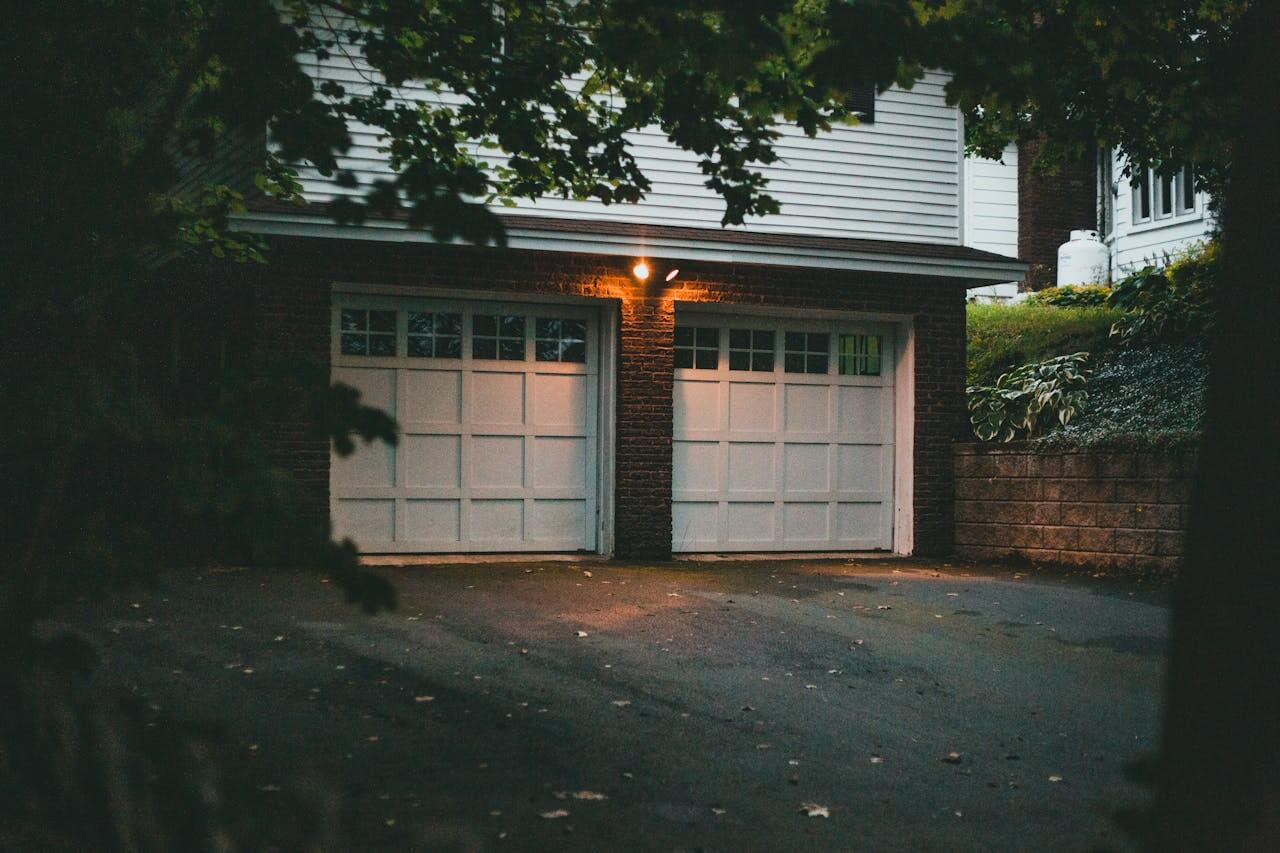
You press the remote, hear the motor try, and then nothing really happens. Or worse, it moves halfway and stops like it changed its mind. That small moment can throw off your whole morning more than it should.
This happens in all kinds of homes, and it is rarely just bad luck. Garage doors tend to give small warnings before they stop cooperating. The problem is that those signs are easy to ignore when everything still works most of the time. By the time it becomes obvious, the issue has usually been building for a while.
When Small Problems Start to Show Up
A garage door does not fail all at once. It slows down a bit, makes a sound that was not there before, or hesitates for a second longer than usual. These changes feel minor, so they get brushed off. The system itself is simple in theory but sensitive in practice. There are springs, tracks, rollers, and a motor working together. When one part starts wearing out, the rest adjust to it for a while. That is why the door still works, just not as smoothly.
What makes it tricky is that the signs are not always dramatic. A slight tilt when opening or a faint grinding noise might not seem like much. But over time, these small issues create strain across the system. Eventually, something gives.
Understanding When It Needs Proper Attention
There comes a point when basic adjustments are not enough. Tightening a loose bolt or cleaning the tracks might help temporarily, but it does not fix the underlying wear. The system needs to be looked at as a whole, not just one part at a time.
At this point, what you need is professional garage door repair services. A trained eye can usually tell what is causing the problem before it becomes visible to others. Springs lose tension, rollers wear unevenly, and sensors can fall slightly out of alignment. These are not always obvious unless you know what to look for. It is not always about something being broken. Sometimes it is about preventing that break from happening at all.
Why Quick Fixes Often Do Not Last
There is a strong habit of trying to fix things quickly, especially when the door still opens and closes most of the time. A bit of lubricant, maybe adjusting the opener settings, and it feels like the problem is gone. But these fixes are often surface-level. They address symptoms, not causes. For example, if the door is noisy, lubrication might reduce the sound for a few days. If the rollers are worn out, the noise will return. It usually does.
The same goes for alignment issues. A door that shifts slightly off track might be pushed back into place. It works for a while. Then the misalignment shows up again, sometimes worse than before. It is not because the fix was wrong, but because it was incomplete.
Safety Is Quietly Part of the Problem
Garage doors are heavy. That part is often underestimated because the motor does most of the lifting. But behind that convenience is a system under tension, especially the springs. When something goes wrong, it is not always visible. A spring that is close to snapping does not look much different from one that is fine. But the risk is there.
It is one reason why some repairs are better left alone. Not because they are impossible to do, but because they involve parts that can react suddenly. The system stores energy, and when it is released in the wrong way, it can cause damage or injury. People usually realize this after something almost goes wrong. A loud snap, a sudden drop, or the door getting stuck midway. It does not take much for the situation to shift from inconvenient to risky.
What You Can Check Without Making It Worse
There are still things that can be checked safely, and they are worth doing before assuming the worst. Start with the basics. Look at the tracks and see if anything is blocking them. Small debris can affect movement more than expected. Check the sensors near the bottom of the door. If they are slightly misaligned or covered in dust, the door may refuse to close properly. This is a common issue and is often overlooked.
The remote and opener settings can also play a role. Batteries weaken over time, and signal issues can create delays. These are small fixes, but they help rule out simple causes. It is important, though, not to push beyond these checks. If the issue is not obvious or does not improve, forcing a solution can make things worse. The system is not designed to be adjusted randomly.
Why Timing Matters More Than Cost
Many people delay dealing with garage door issues because they expect it to be expensive. That assumption is not always wrong, but the timing changes everything. Fixing a small issue early is usually simpler. Replacing a worn roller or adjusting tension is manageable. Waiting until multiple parts are affected turns it into a bigger job.
There is also the inconvenience factor. A door that works unpredictably is harder to plan around. It affects routines in small ways that add up. Being late, having to check the door repeatedly, or worrying about it staying open. These are not major problems on their own, but they create friction in daily life. Addressing the issue earlier often reduces both cost and stress, even if it feels like an extra step at the time.
Getting Back to Normal Without Overthinking It
Once the problem is handled properly, things go back to feeling normal again. The door opens smoothly, closes without hesitation, and does not draw attention to itself. That is usually the goal. Not perfection, just consistency. A system that works without needing constant checking.
It is easy to overthink the process, especially after something goes wrong. But most of the time, it comes down to paying attention early, avoiding quick fixes that only delay the issue, and knowing when to step back and let someone else handle it.
Garage doors are not complicated, but they are not forgiving either. They respond to how they are maintained. When they stop cooperating, it is often a sign that something small has been building quietly in the background.