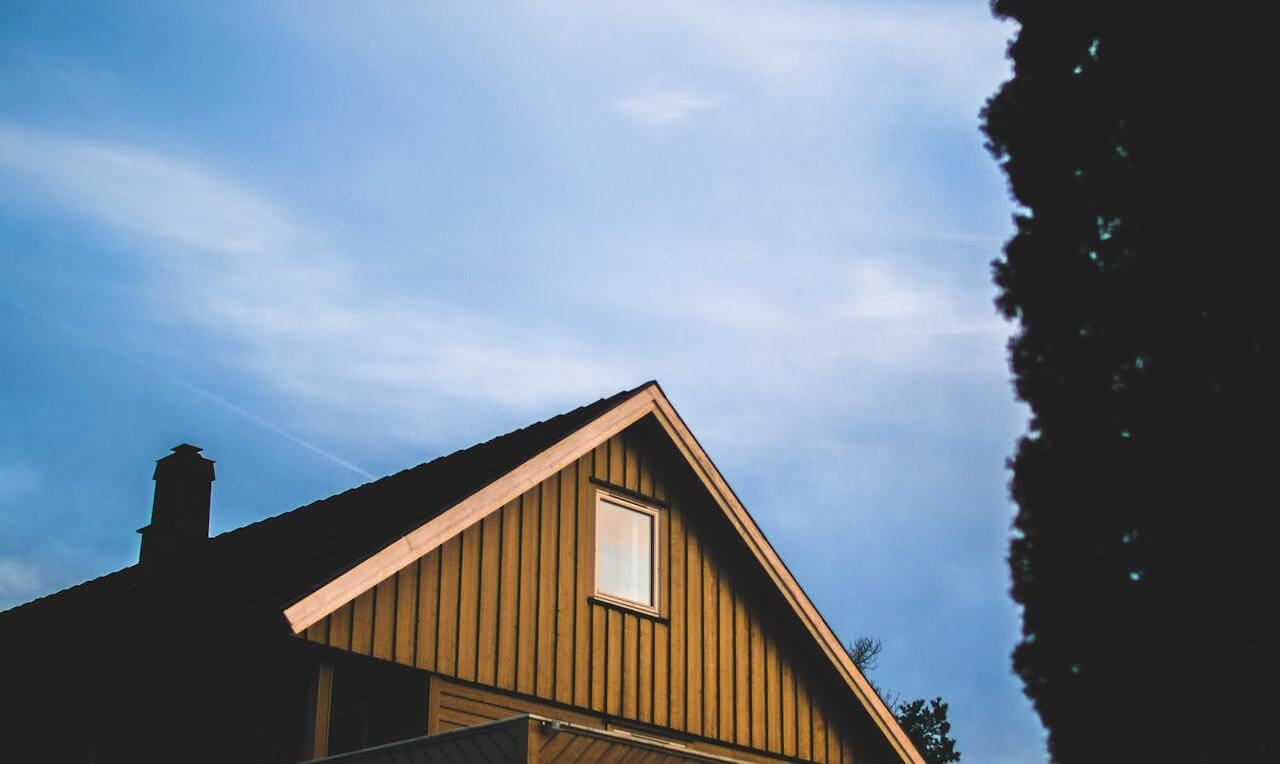
A home is not built once and forgotten. It evolves, slowly, through years of use and exposure. In cities like San Francisco, where coastal air and shifting weather patterns leave their mark, that reality becomes impossible to ignore. Those fix-it-later thoughts often turn into costly repairs when ignored too long. Small issues sit quietly at first, then grow louder with time.
Upkeep is not just about fixing what breaks. It is about preserving what works. A well-maintained home does not just last longer, it feels better to live in. Yes, this is true – consistency beats occasional effort every single time. Homes that age well are rarely the result of luck. They are shaped by attention, timing and practical decisions.
So what actually separates a home that holds up over time from one that slowly falls apart?
Maintenance is not reactive, it is strategic
Many homeowners wait until something fails before taking action. That approach creates stress and unexpected costs. A better approach is to treat upkeep as part of a long-term plan. Issues are identified early and solutions are applied before damage spreads.
This mindset is especially important when dealing with structural elements. Roofs, for example, are often ignored until visible damage appears. By that point, underlying problems have already developed. Roof repair in San Francisco, therefore, becomes more of a strategic necessity than a reactive fix, shaped by the city’s unique weather patterns and long-term structural demands. That shift in thinking changes everything.
Consider a homeowner who schedules regular inspections. Minor wear is spotted early and small fixes are completed quickly. Compare that to someone who ignores maintenance until leaks appear. The difference in cost and effort is significant. One approach prevents problems. The other reacts to them.
Does it not make more sense to address issues before they escalate? It does. The answer becomes clearer every time a small issue is handled before it grows.
Small actions, big results – consistency wins
Upkeep does not require dramatic changes. It is built on small, consistent actions that protect the home over time. These actions may seem minor, yet they create a strong foundation for long-term durability.
- Cleaning gutters regularly to prevent water buildup
- Checking seals around windows and doors for air leaks
- Inspecting exterior surfaces for early signs of wear
- Maintaining drainage systems to avoid foundation issues
- Repainting or sealing surfaces to protect against moisture
Each of these steps plays a role in preserving the home. When done consistently, they reduce the need for major repairs. Neglecting them, however, allows small problems to grow.
There is a rhythm to maintenance. Tasks are repeated, season after season – and that repetition builds reliability. A home that is cared for regularly responds better. Adapts better to changing conditions.
Have you noticed how small habits often lead to bigger outcomes? They do and over time, those small efforts quietly shape long-term stability.
Materials and choices that stand the test of time
The materials used in a home influence how it ages. Some materials require frequent care, while others are more durable. And choosing the right ones can reduce maintenance efforts significantly.
Durability should always be considered alongside appearance – a material that looks good but wears quickly creates more work in the long run. On the other hand, materials designed for longevity provide both function and value.
There is also the matter of compatibility. Different materials respond differently to weather conditions. When mismatched, they can create stress points that lead to damage. The solution is thoughtful selection. Done right, it prevents problems before they even begin.
Picture a home where exterior surfaces are chosen based on durability rather than trend. Years pass and the structure remains solid. Compare that to a home where style was prioritized over function. Repairs become frequent and costs increase. The difference is clear.
The bottom line here? Good materials on their own do not solve everything. They must be paired with proper care.
The hidden impact of neglect
Neglect does not always show immediate consequences. Problems often develop quietly, hidden from view. By the time they become visible, damage has already spread.
Water damage is a common example: a small leak may go unnoticed for several months and over time, it affects walls, flooring and structural components. So what started as a minor issue becomes a major repair. That escalation is avoidable with regular checks.
There is also the emotional impact. Living in a poorly maintained home creates discomfort. Small issues become constant reminders of what needs to be fixed. That feeling affects how the space is experienced.
Think about a home where maintenance is ignored for years. Repairs pile up and the structure begins to show wear. Now compare it to a home where upkeep is part of the routine. The difference is not just physical, it is experiential.
Is it worth letting small issues grow into larger problems?
When upkeep becomes part of everyday living
A home that ages well is not the result of occasional effort. It is the result of consistent care that becomes part of daily life. Maintenance is not treated as a burden. It is seen as an investment in comfort and stability.
There is a sense of control that comes with this approach. Issues are addressed before they become overwhelming. Costs are managed more effectively. The home remains functional and inviting.
There is also a long-term benefit. Properties that are well-maintained retain their value – they are easier to sell and more appealing to buyers. That value is built over time through consistent effort.
Yes, this matters. Upkeep is not just about the present, it shapes the future.
A home that is cared for regularly tells a different story. What this means is that it reflects attention, intention and responsibility. It feels stable. It feels reliable. That sense of reliability is what defines a space that ages well.
Thoughtful upkeep is not about perfection. Not at all. It is, in the end, about awareness. About action. Small steps matter. Taken again and again, they add up. Over time, those steps shape a home that stands strong, feels comfortable and – above all – keeps doing its job without constant struggle.